01. Long Draw Reservoir to Big South Campground
Gauge Conditions
Runnable: ? – ? CFS
Approximate reading: This gauge is 1.5 miles away on Cache La Poudre. Use as a general reference only.
Data from American Whitewater & USGS
Run Map
Description
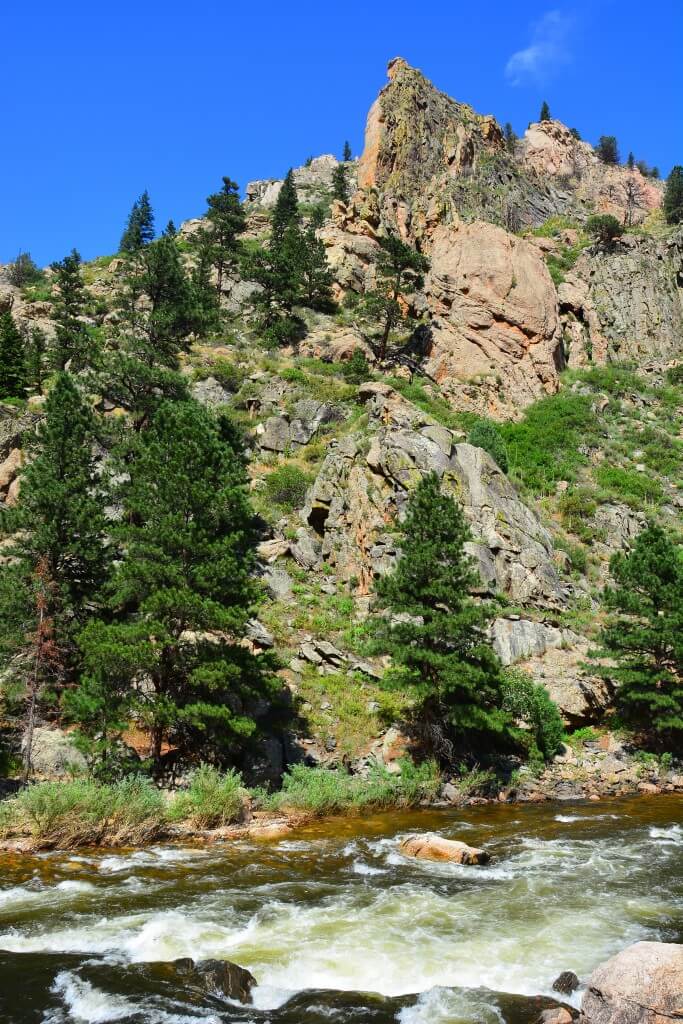
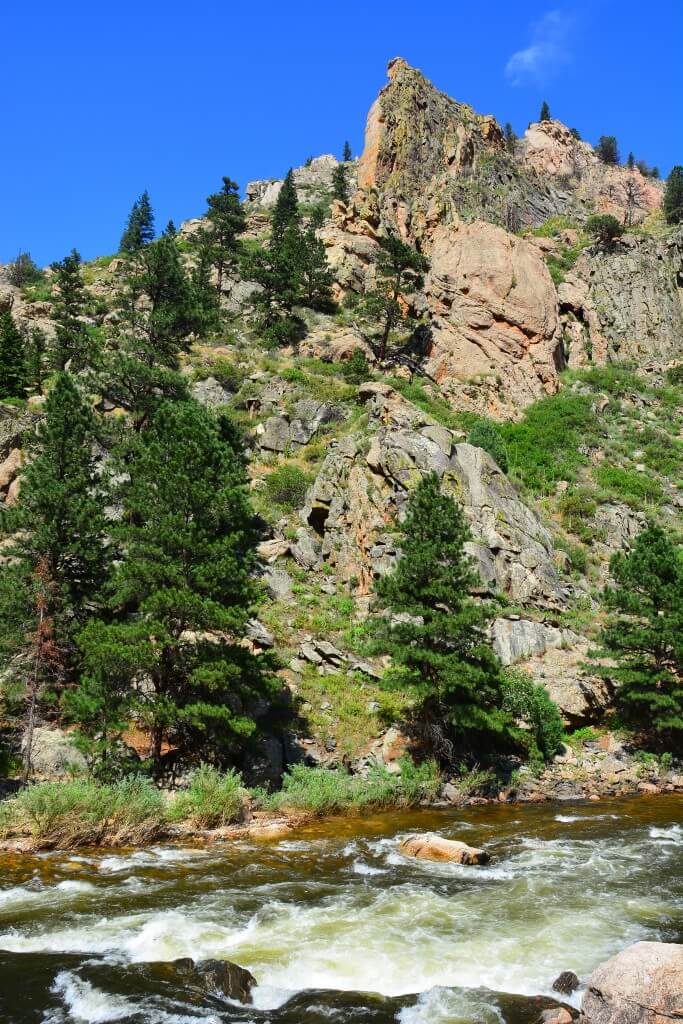
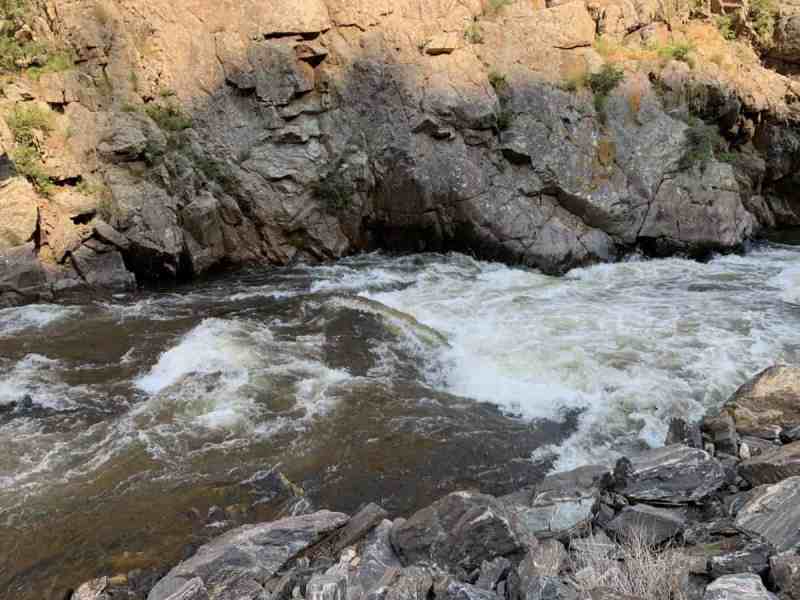
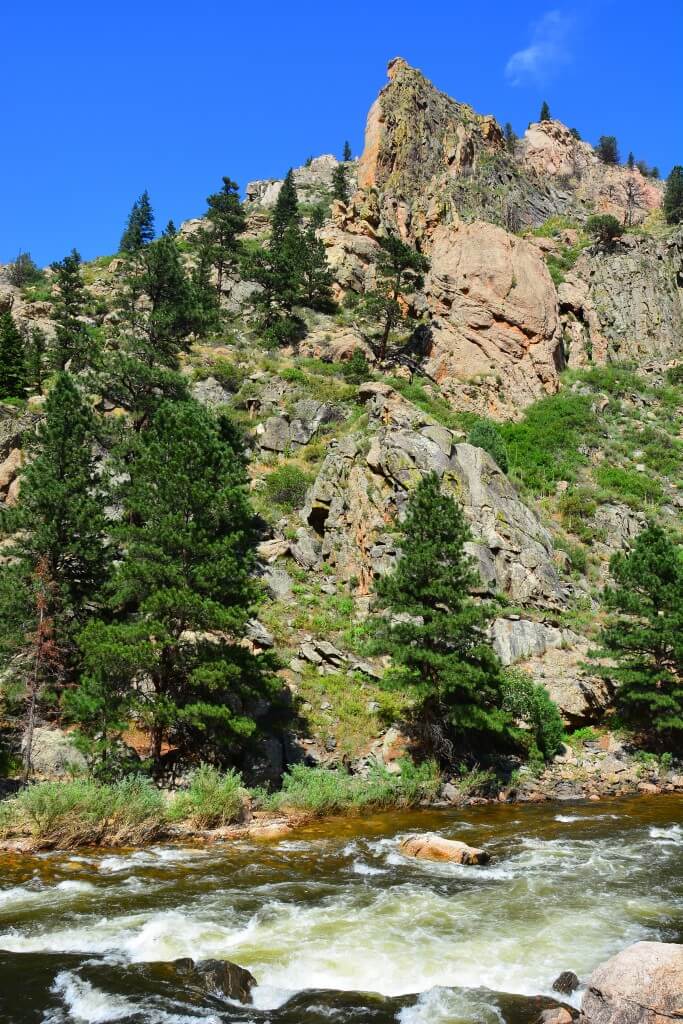
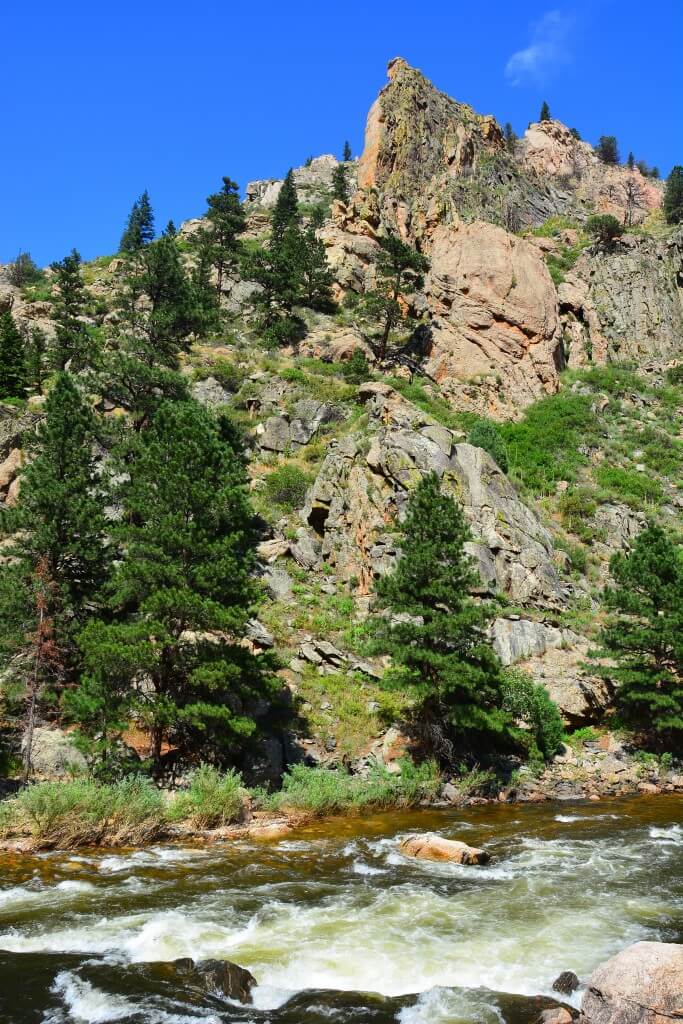
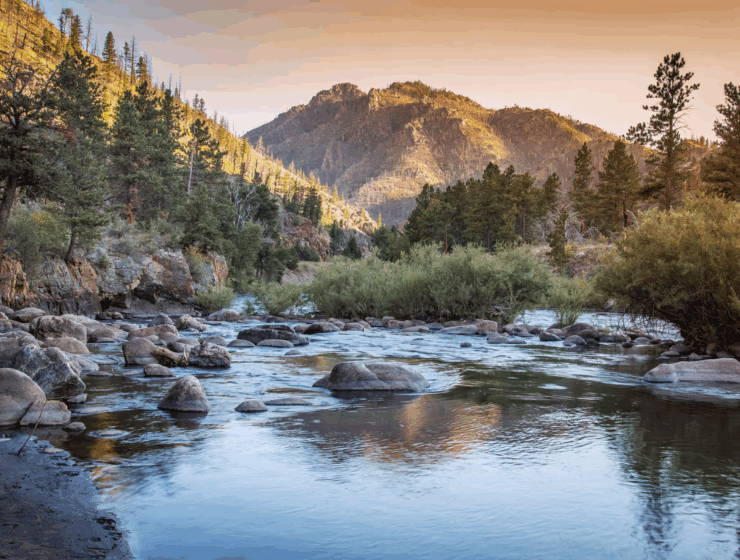
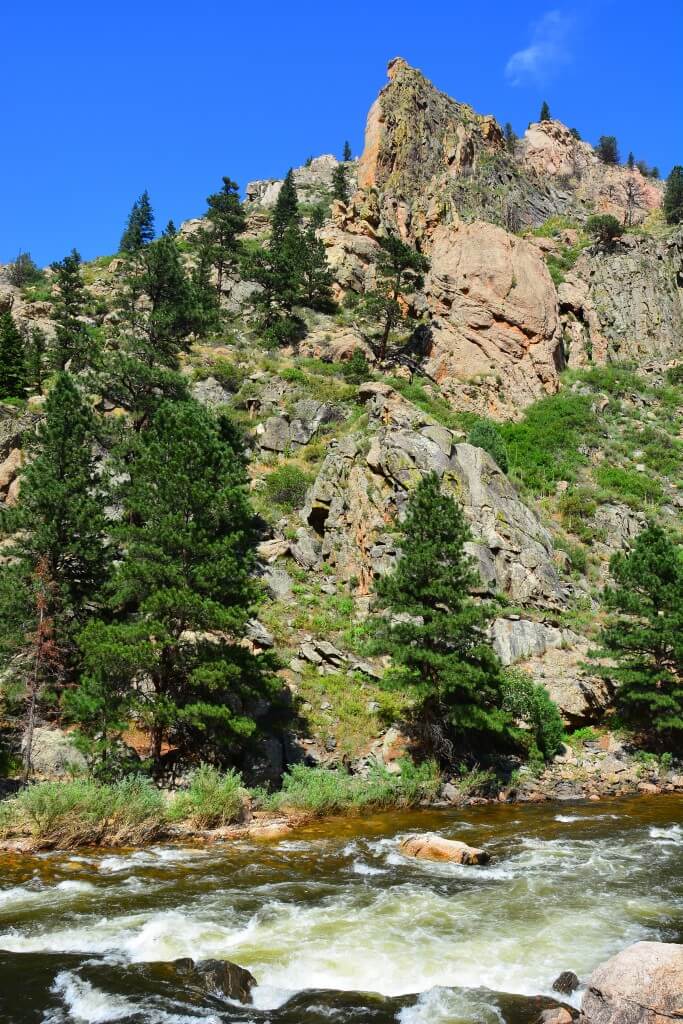
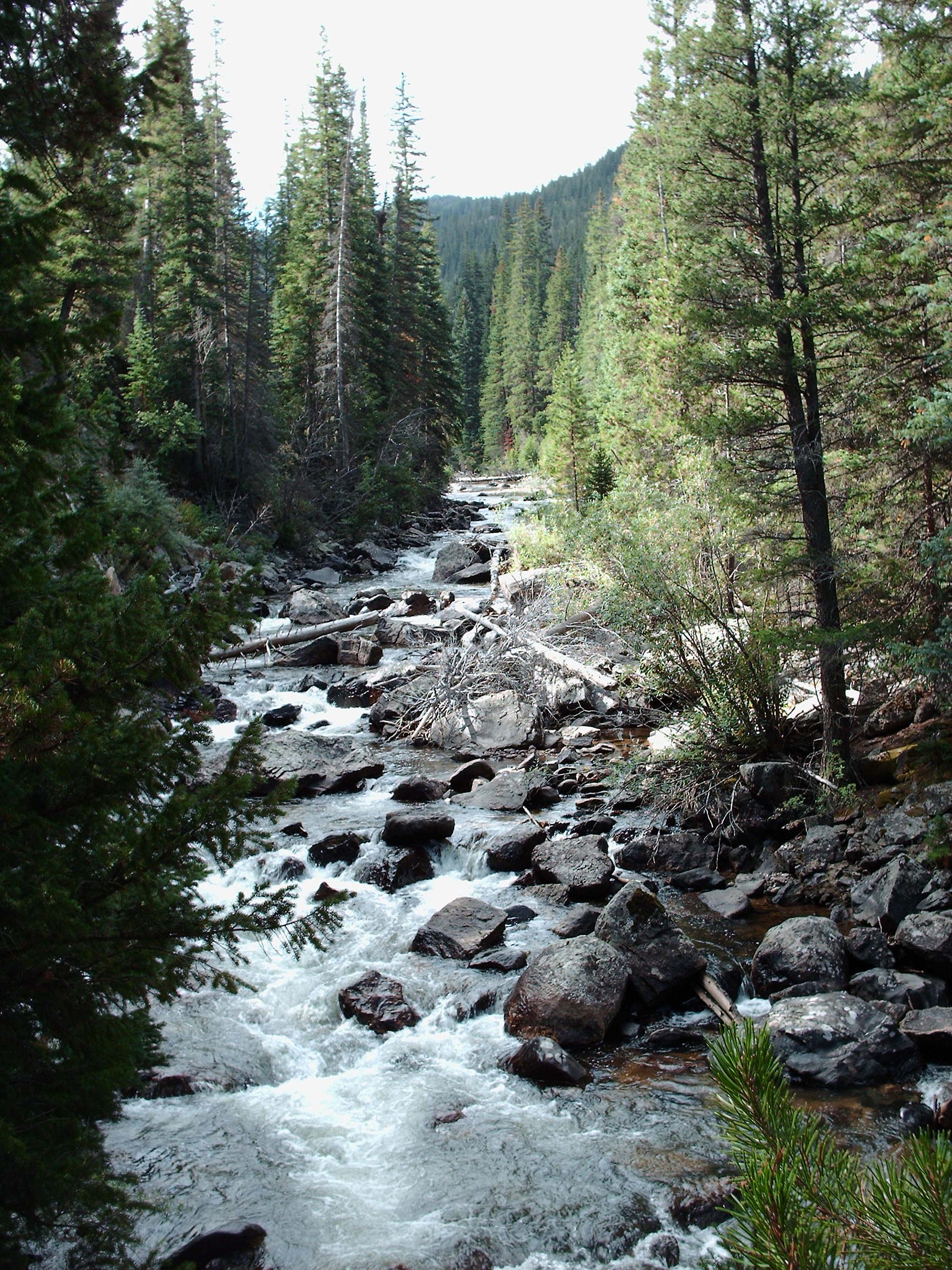
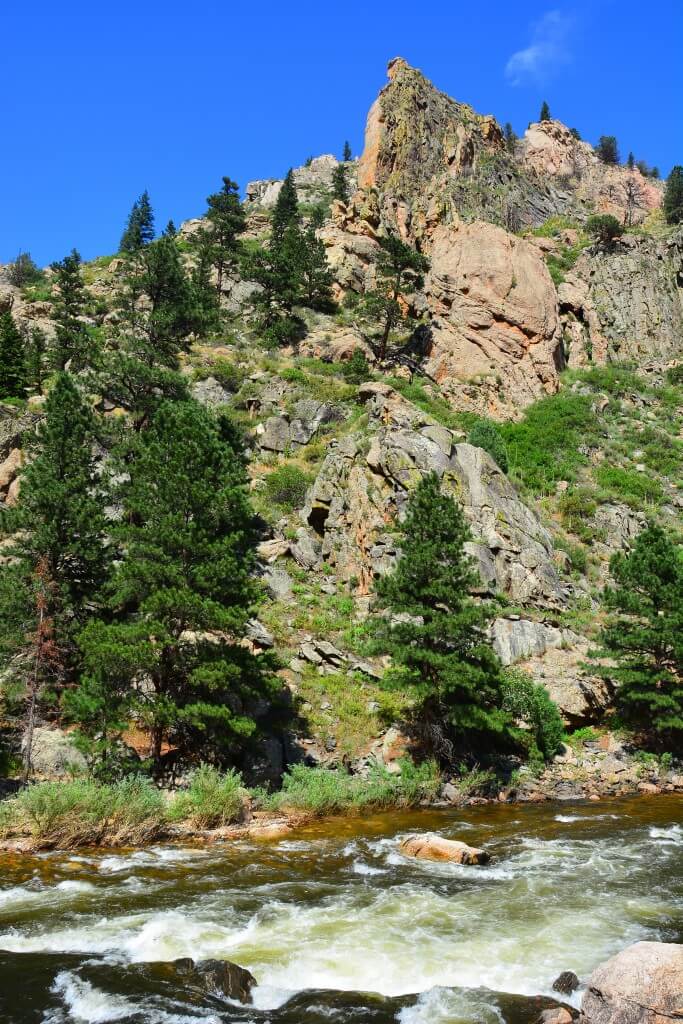
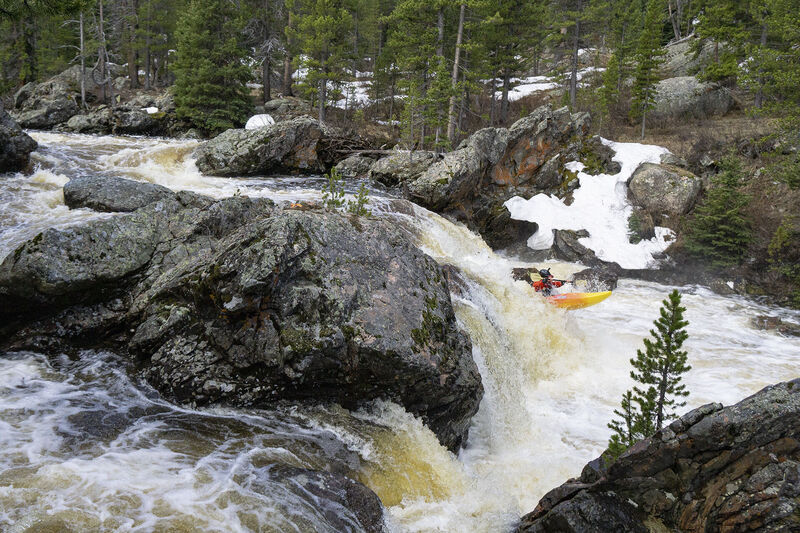
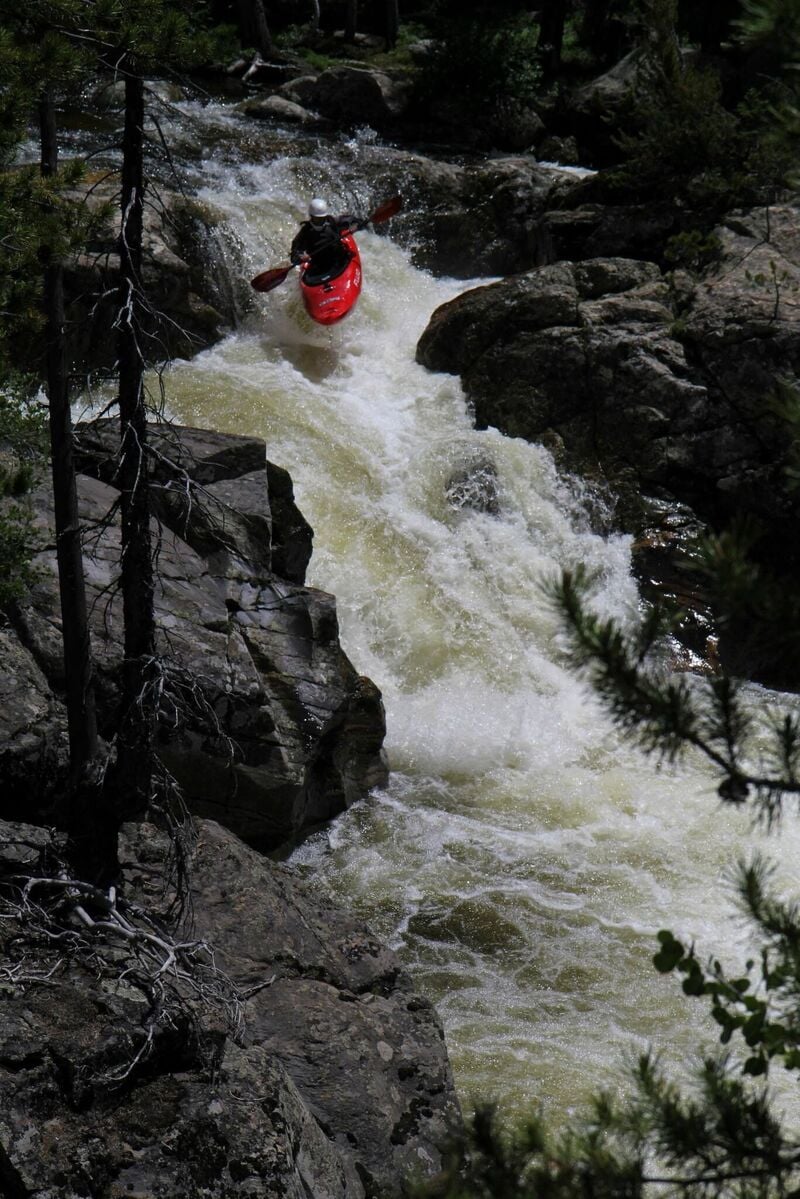
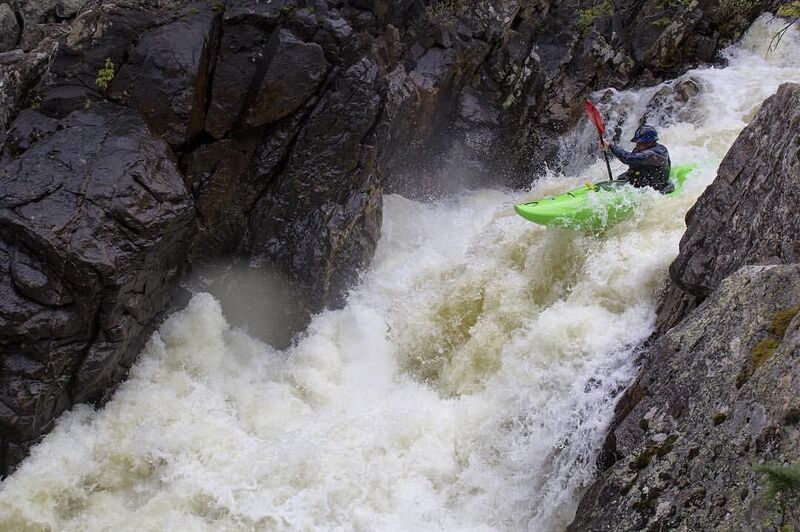
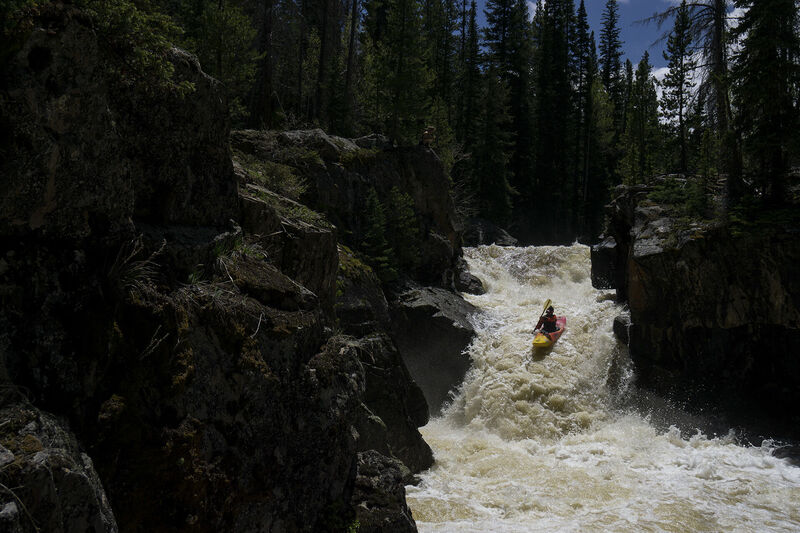
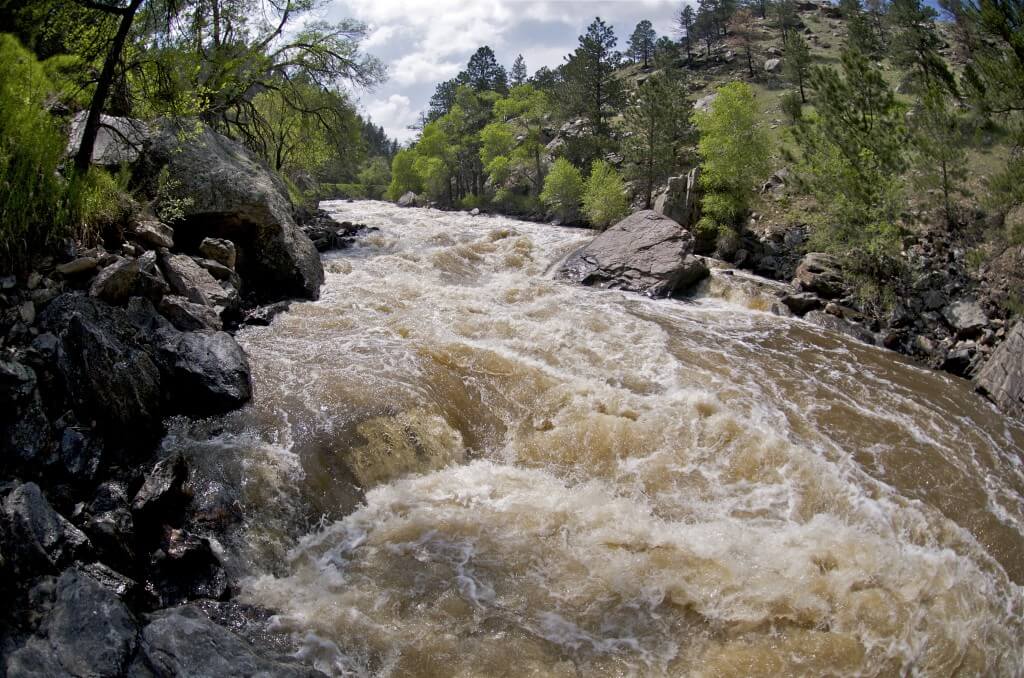
Big South is the finest expert run in Colorado. For the first few miles the river marks the western boundary of Rocky Mountain National Park, the rest of the river all the way to the takeout is in the Cache La Poudre Wilderness Area. The Big South runs through 12 miles of pristine wilderness with more than a dozen classic Class V, V+, and VI- rapids. The beauty of it is you can have any kind of day you want there. If you are there for the scenery and the experience you can easily portage the hardest rapids and have a relatively relaxing Class IV+/V- day. If you are there to test yourself and run some big stuff you will have a couple of big technical hair-raising drops to run.
Pinball Wizard, Rock Lobster, Starter Fluid, Bar Room Brawl, Bonk, Nitrogen Narcosis, Prime Time Gorge, Pincushion, The Rush, and Tubular Balls are all Class V to V- at reasonable water levels, and can be run without scouting if you have a good guide to lead you down.
Taco Bobs, and Fantasy Flight are in the Class V territory, but they have some really ugly lines you want to check out before jumping in. Slideways is another good scout, it's a classic long and steep Class V studded with big holes.
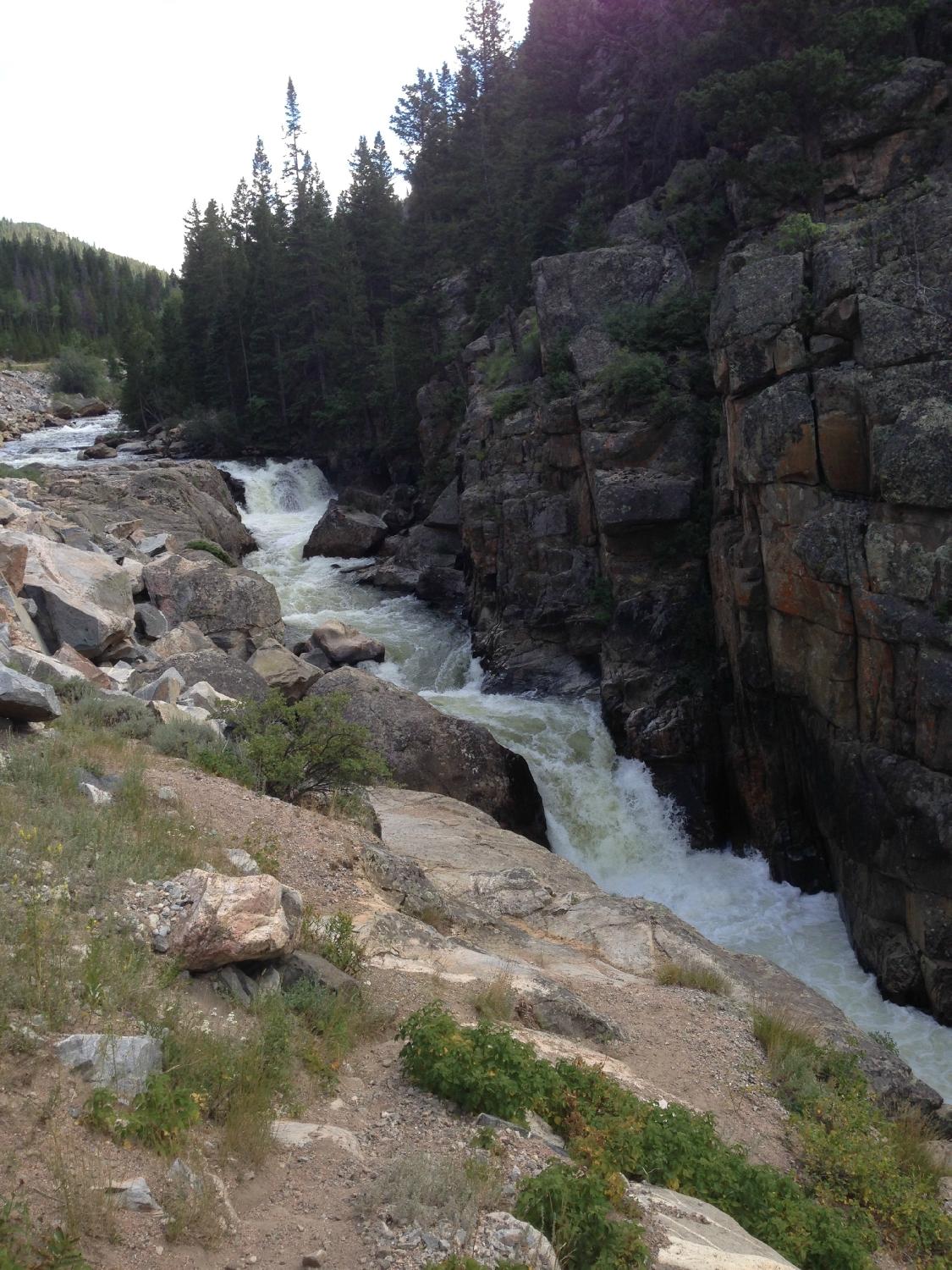
The truly big Class V+/VI- rapids of the Big South are Cool World, Meltdown, and Double Trouble. Cool World is especially dangerous because it looks like it's just another Class IV rapid from the top. Be very cautious until you are past it! The final drop of Cool World slams directly into an undercut cliff on river right. Meltdown is a two-step cascade with a sieve at the bottom. It's the hardest rapid to portage, so sometimes it seems like it's "almost" easier to just run the rapid!
Double Trouble is a big double waterfall. The hole at the bottom is considered by many to be in the top five scariest hydraulics in Colorado, which is saying a lot!
The only real negative to Big South is the short season. The Forest Service keeps the road to the Long Draw Reservoir (the put-in) gated until all snow has melted from it, even in a big year there is sometimes only a week or two of water left after the gate finally opens. This leaves you with two unpleasant alternative to bag the big water of early summer. One, you simply hike upriver from the takeout as far as your lungs and legs can carry you. Two, hike down from the source of the Poudre near Trail Ridge Road in Rocky Mountain National Park. This alternative is far easier than hiking up from the bottom, and Trail Ridge Road is guaranteed to be open for the tourists by Memorial Day at the latest, but requires a 4+ hours of shuttle driving.
For a great article about running Big South from RMNP check out coloradokayaking.com.
For pics of Big South and many other Colorado classics check out my Webshots photo album.
To get there: The takeout is at the Big South Campground on Co Hwy 14. To drive to the put-in head towards Cameron Pass about a mile until you see a well marked Forest Service sign to Long Draw Reservoir. Head up this dirt road and put-in at the outlet of the reservoir.
See _Colorado Rivers and Creeks II_, by Banks and Eckardt _(The Bible)_, for info on this and most of the other kewl runs of Colorado.
Lat/longitude coords are approximate, from TopoZone.
See also,
Big South (Class V/VI),
Joe Wright Creek (Class V),
Spencer Heights (Class V/VI),
South Fork (Class IV/V),
White Mile Run/Upper Rustic (Class III),
Grandpa's Gorge/Lower Rustic (Class III/IV),
The Narrows (Class IV/V/V+),
Upper Mishawaka (Class III/IV),
Lower Mishiwaka (Class III),
Poudre Park (Class IV),
Bridges (Class III/IV),
Upper North Fork (Class IV/V),
Lower North Fork (Class II/III), and
Filter Plant (Class III).
Rapids in this Run (9)
Waterfalls (7)

Hazards & Portages (6)
Caution: The following locations may require scouting or portaging. Always check current conditions.
Difficulty
Class V+
Length
11.8 mi
Gradient
134 ft/mi
max 218
Rapids
9
6 Hazards
Access Points
Difficulty Classes
I Easy
II Novice
III Intermediate
IV Advanced
V Expert/Extreme
VI Unrunnable
Current Conditions
5-Day Forecast
Whitewater data from
American Whitewater
American Whitewater