L) Lewiston to Columbia River
Gauge Conditions
Runnable: ? – ? CFS
Approximate reading: This gauge is 6.0 miles away on Snake. Use as a general reference only.
Data from American Whitewater & USGS
Run Map
Run Time Estimate
Select put-in and take-out to estimate time.
Plan This Trip
See wind-adjusted speed maps, forecast planning, and detailed time estimates.
Sign in to generate an AI timing estimate for this run.
Whitewater timing varies with scouting, portages, and group pace. Use as a planning baseline.
Description
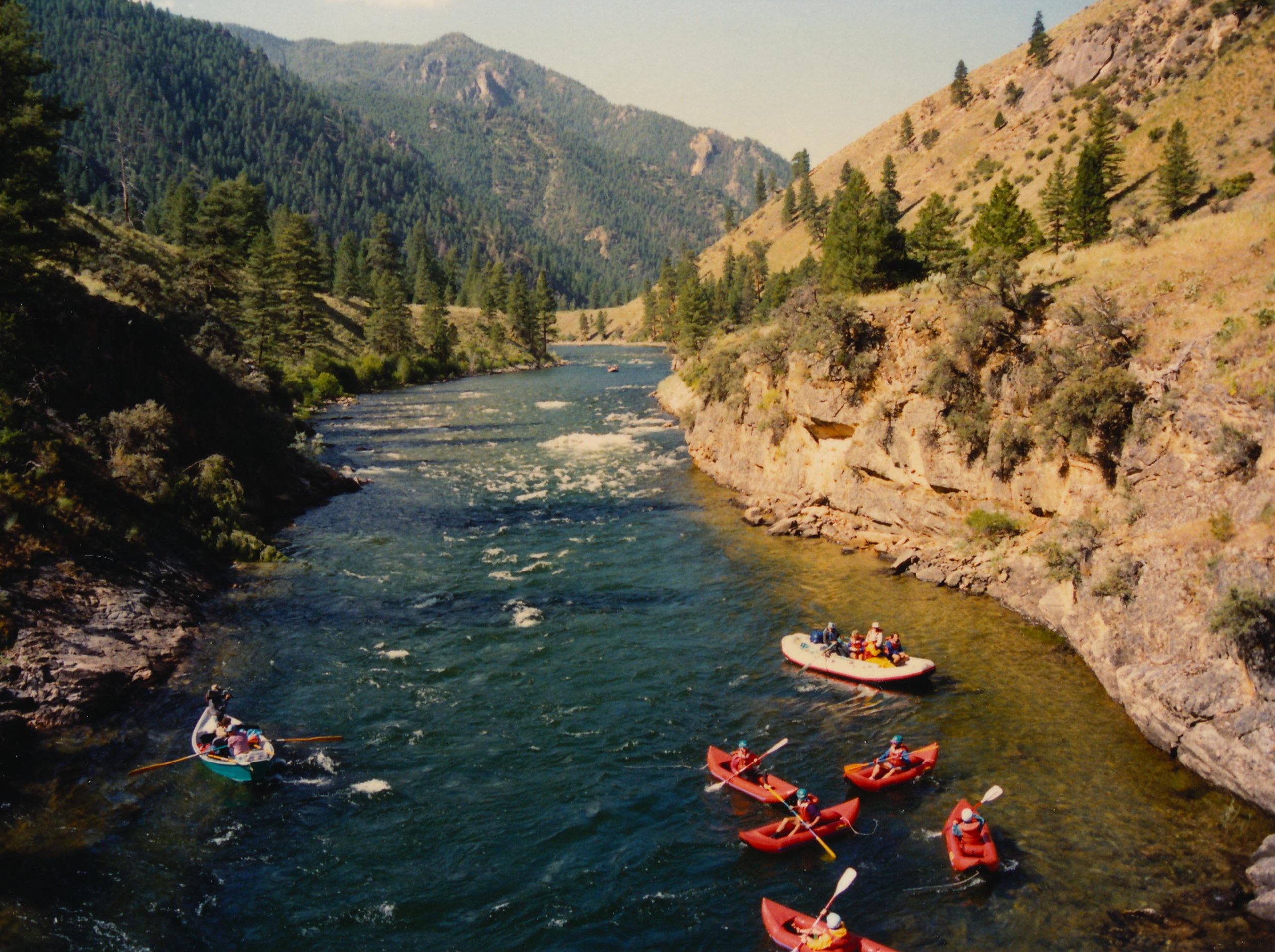
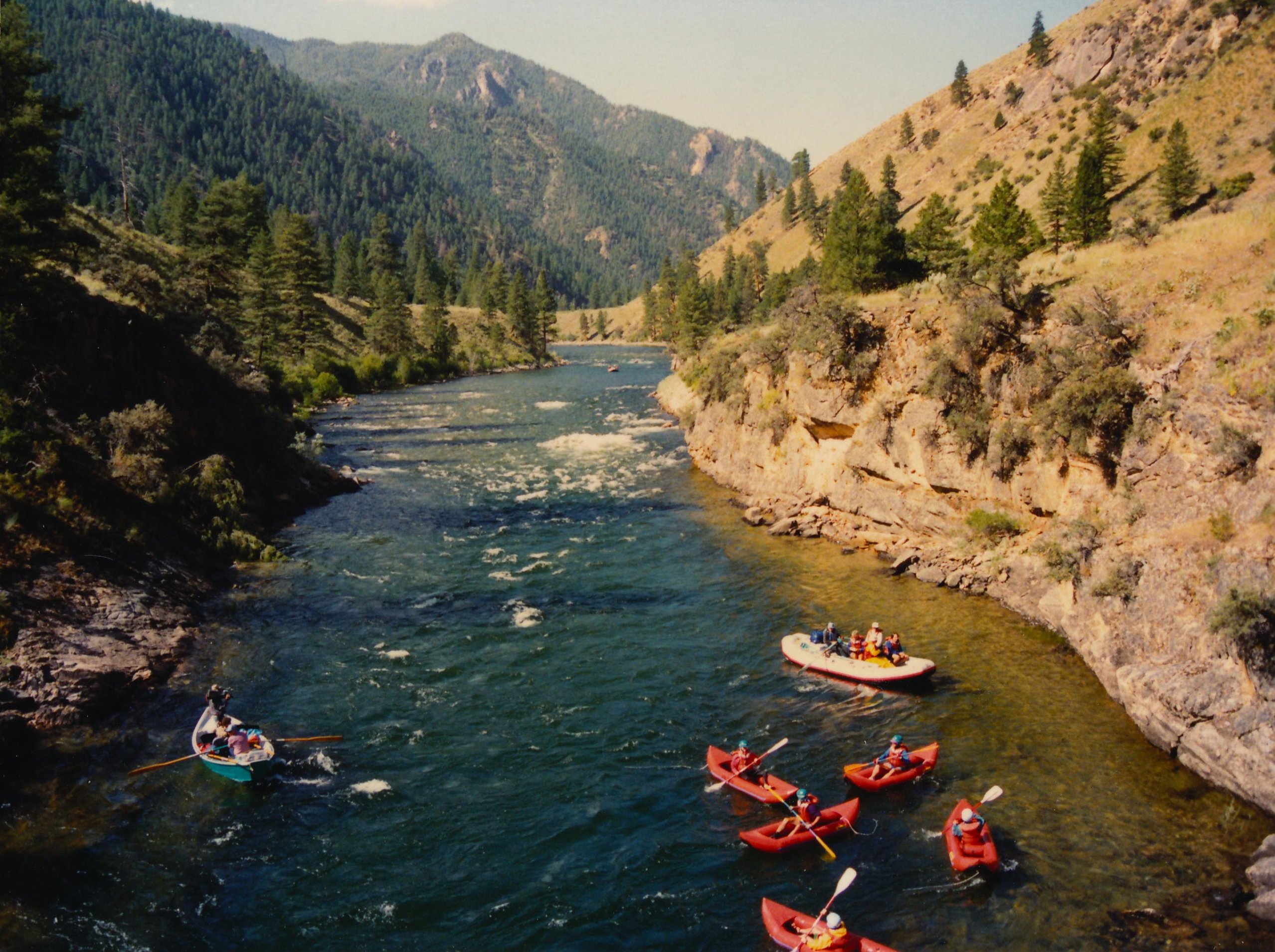
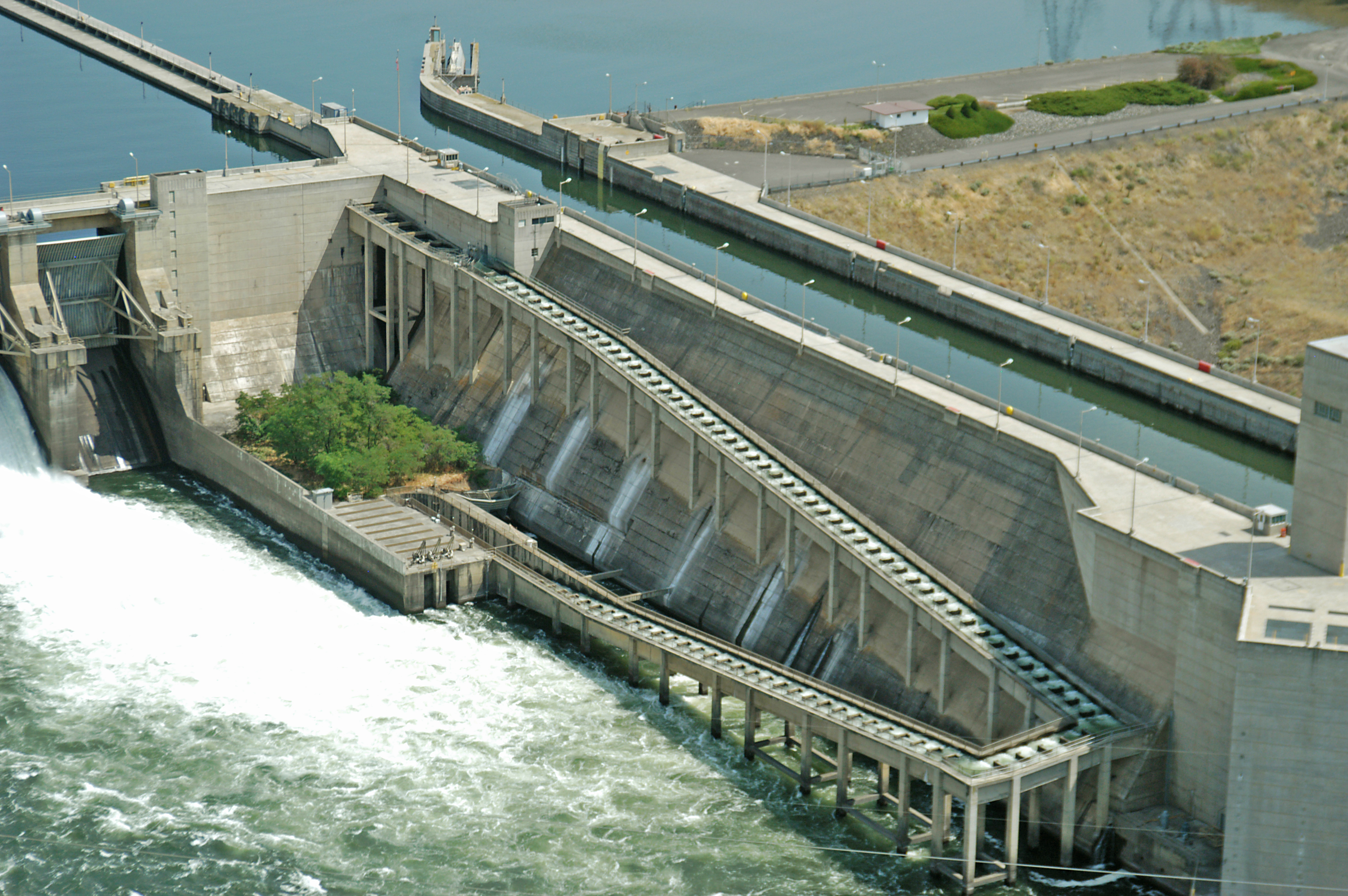
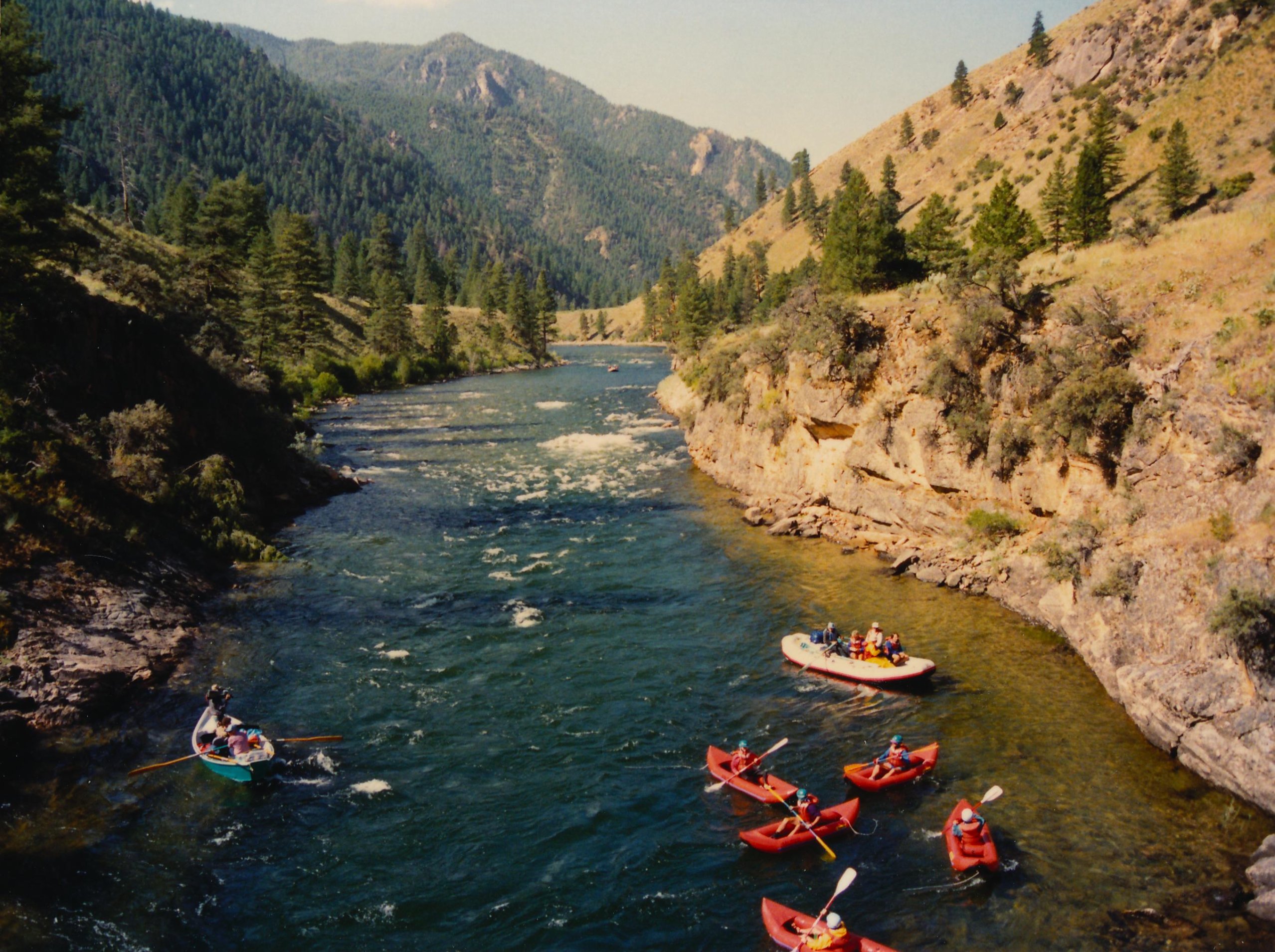
Congress authorized construction of the four dams on the Lower Snake River in 1945 and during the time period 1955 to 1975 the Army Corps of Engineers constructed Ice Harbor, Lower Monumental, Little Goose, and Lower Granite. The Corps documents 63 named rapids that were in existence prior to construction of these dams. Lewis and Clark encountered these rapids on their journey down the river in October 1805. Removing the dams would open up new opportunities for kayaking and rafting along 140 miles of restored river and would attract visitors from across the country.
In February 2002, the US Army Corps of Engineers released the Lower Snake River Juvenile Salmon Migration Feasibility Report/Environmental Impact Statement that includes a review of the economics of dam removal. In a study of potential river users, and not including recreational fishing, results showed that a large percentage of total general recreation visitation to a free flowing lower Snake River would originate from distant areas resulting in an annual contribution of $310.5 million (1998 dollars). The study found that current reservoirs are primarily local-use areas with visitors coming from 100 to 120 miles away. Reservoir users do not travel long distances as there are numerous reservoirs in the local area, including Lake Wallula downstream from Ice Harbor Dam very near the Tri-Cities area, Dworshak reservoir near Lewiston, Idaho, and three large lakes near Spokane, Washington. Those desiring a river-based recreation experience in contrast are willing to travel greater distances to visit free-flowing rivers. Demand for paddlesports would be for over 300,000 user days following dam removal.
The named rapids identified by the Army Corps of Engineers include the following: Upper Grande Ronde Rapids, Lower Grande Ronde Rapids, Upper Lewis Rapids, Lower Lewis Rapids, Upper Billy Creek Rapids, Lower Billy Creek Rapids, Captain John Rapids, Upper Buffalo Rapids, Lower Buffalo Rapids, Couse Rapids, Ten Mile Rapids, Upper Asotin Rapids, Lower Asotin Rapids, Upper Swallows Nest Rapids, Lower Swallows Nest Rapids, Slaughterhouse Rapids, Clarkson Rapids, Dead March Rapids, Dry Gulch Rapids, Alpowa Rapids, Steptoe Rapids, Little Pine Tree Rapids, Tramway Rapids, Upper Kelley Rapids, Kelley's Island Rapids, Truax Rapids, Granite Point Rapids, Ofields Rapids Rapids, Log Cabin Rapids, Almota Dead March Rapids, Ilia Rapids, Lower Ilia Rapids, Wades Rapids, Penawawa Rapids, Willow Rapids, Deadman Bar Rapids, New York Bar Rapids, Upper Goose Island Rapids, Little Goose Rapids, Upper Riparia Rapids, Texas Rapids, Hunters Rapids, Palouse Rapids, Steamboat Bend Rapids, Skiff Bar Rapids, False Palouse Rapids, Gorse Dread Rapids, Monumental Rapids, Haunted House Rapids, Matthews Rapids, Pine Tree Rapids, Rescue Island Rapids, Couch Island Rapids, Simmons Rapids, Copleys Cutoff Rapids, Anchor Rapids, Page Rapids, Three Island Rapids, Gage Island Rapids, Five Mile Rapids, Perrine's Defeat Rapids, Strawberry Island Rapids, No. 1 Rapids.
Additional Information
Imagining a New Future for the Lower Snake River Story Map: < https://arcg.is/0S5XaP0 >.
Save Our Wild Salmon
- Northwest Discovery Water Trail
Hazards & Portages (4)
Caution: The following locations may require scouting or portaging. Always check current conditions.
Difficulty
Class I
Length
140.0 mi
Gradient
2 ft/mi
Rapids
0
4 Portages
Access Points
Difficulty Classes
I Easy
II Novice
III Intermediate
IV Advanced
V Expert/Extreme
VI Unrunnable
Current Conditions
5-Day Forecast
Whitewater data from
American Whitewater
American Whitewater