07. Quartzite River Access to County Line River Access
Gauge Conditions
Runnable: 200.0 – 3,000.0 CFS
Flows of 250 cfs are ok for floating from sleeping beauty to Souse hole without dragging.
Data from American Whitewater & USGS
Run Map
Run Time Estimate
Select put-in and take-out to estimate time.
Plan This Trip
See wind-adjusted speed maps, forecast planning, and detailed time estimates.
Sign in to generate an AI timing estimate for this run.
Whitewater timing varies with scouting, portages, and group pace. Use as a planning baseline.
Description
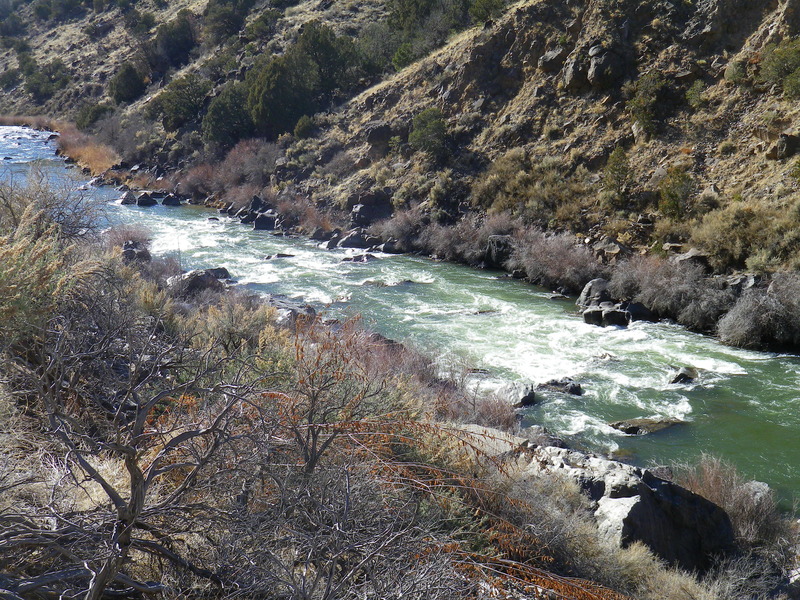
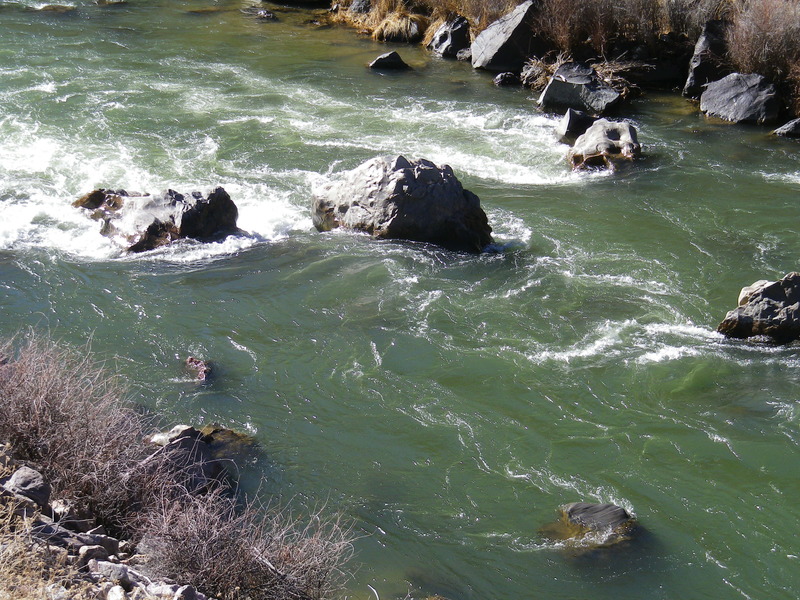
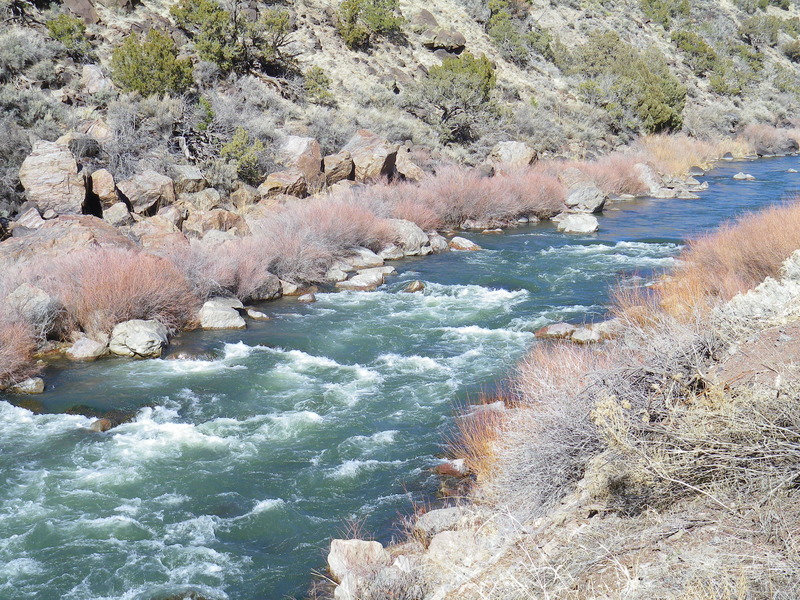
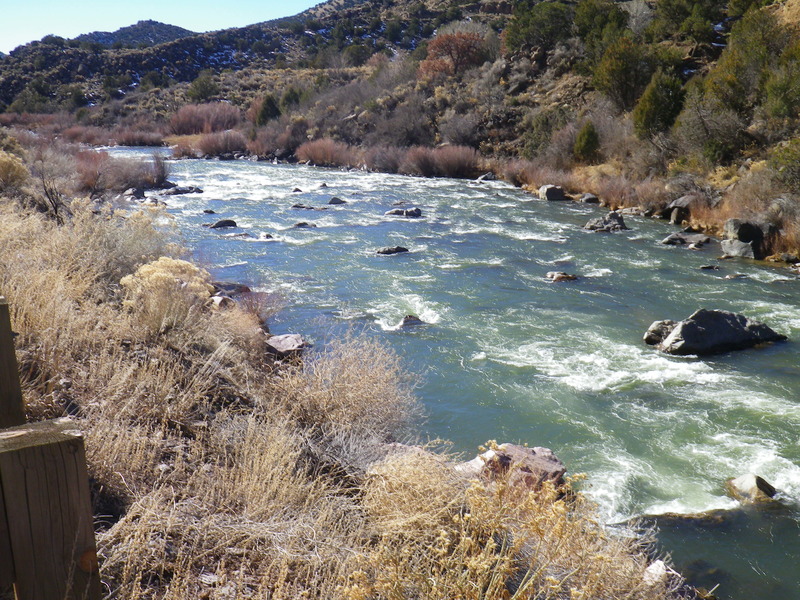
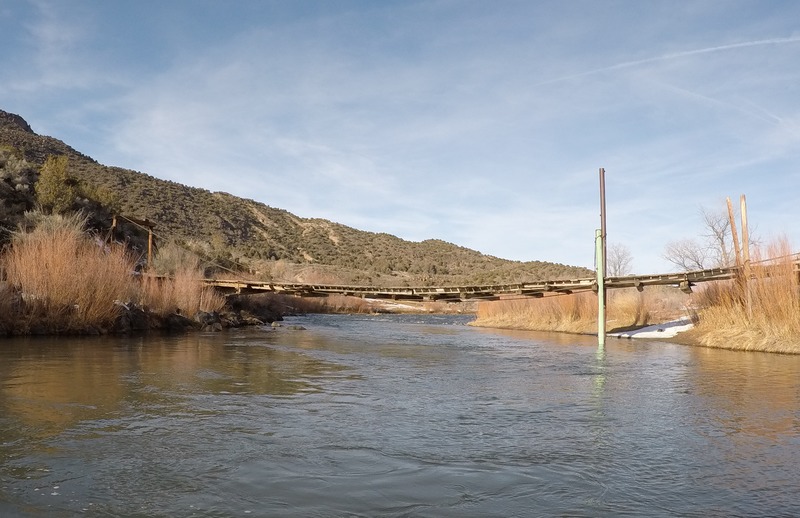
The Racecourse is far and away New Mexico's most popular whitewater run. Just downstream from the tiny artists village of Pilar the Rio Grande flows more westward after colliding with the Pilar Cliffs on river left. The Cliffs are made of resilient quartzite-schists: ancient stone that in places is 1.7 billion years old, predating the origins of life on Earth. In contrast, on river right, are the relatively more recent basalt lava flows found in the upstream canyons. Just upstream from the Quartzite put-in is the Rio Grande Gorge Visitor's Center providing bathrooms, water, and a giftshop including many books on geology, plants, animals, and folklore. Quartzite River Access provides porta potties and a changing area, roughly marked spaces for parking, and a picnic table. Boaters launch from one of two rocky beaches. County Line River Access has BLM maintained bathrooms, two paved boat ramps, and picnic tables. Permits are not required to boat on the Racecourse.
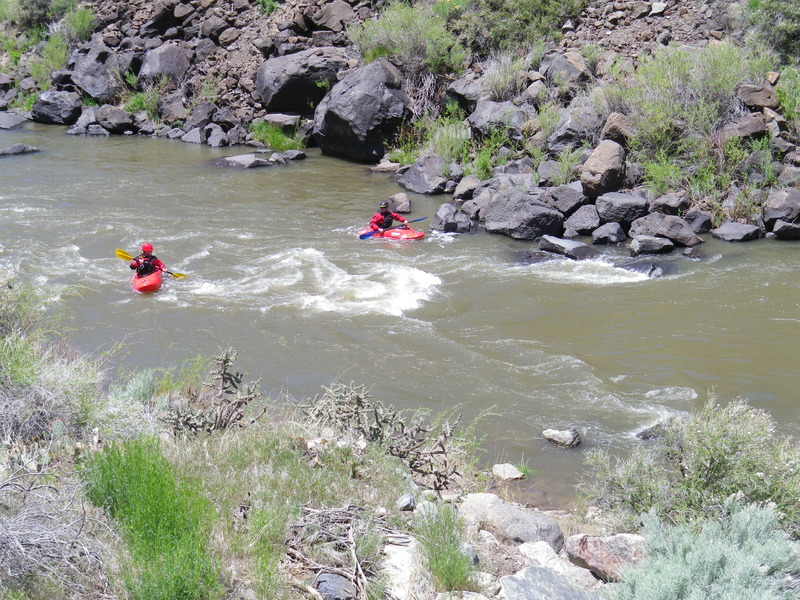
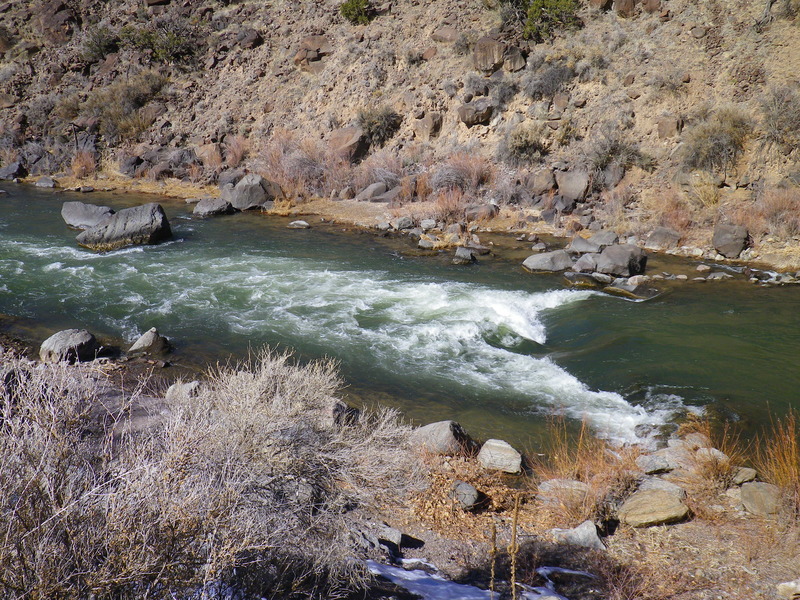
This section of the Rio Grande is not as isolated as the Lower Taos Box or the Orilla Verde since State Road 68 follows the river closely for the entire run; but the highway runs high-up on the banks in most places, and a boater tends not to notice it while shooting rapids or recovering below them. The road provides opportunities to scout nearly all the rapids on the run. Take care pulling over and getting out of your vehicle because many drivers speed down the highway in this canyon and accidents are unfortunately not that uncommon. In several places trails run steeply down the left bank from highway pullouts to the river, notably at After Five, Sleeping Beauty, and Souse Hole. Sleeping Beauty has an excellent surf wave easily reached by parking in the highway pullout alongside the road just beside the rapid. Kayakers are often seen hauling gear up and down the trail to login surf time in the large curler in the main drop of the rapid. The land along the Racecourse is a mixture of public and private lands; all the private land is on the right shore stretching from just above the Narrows to Big Rocks. Please be courteous!
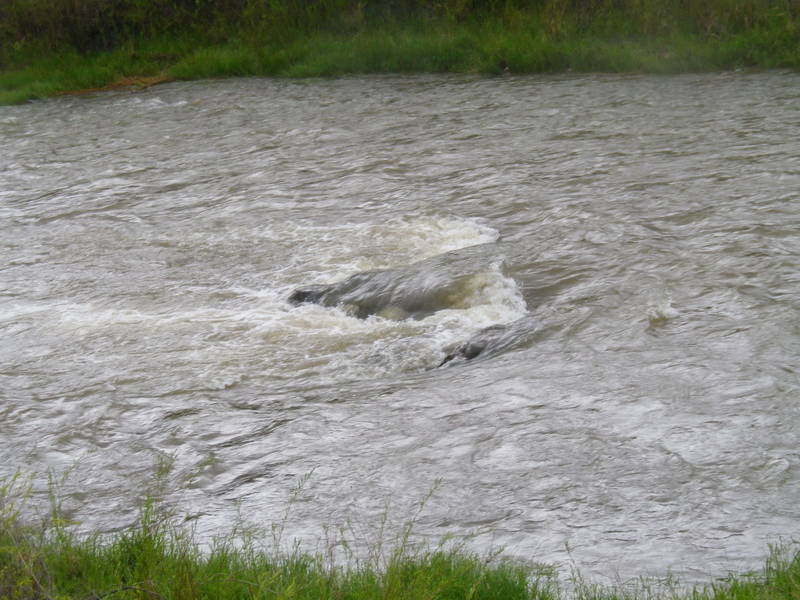
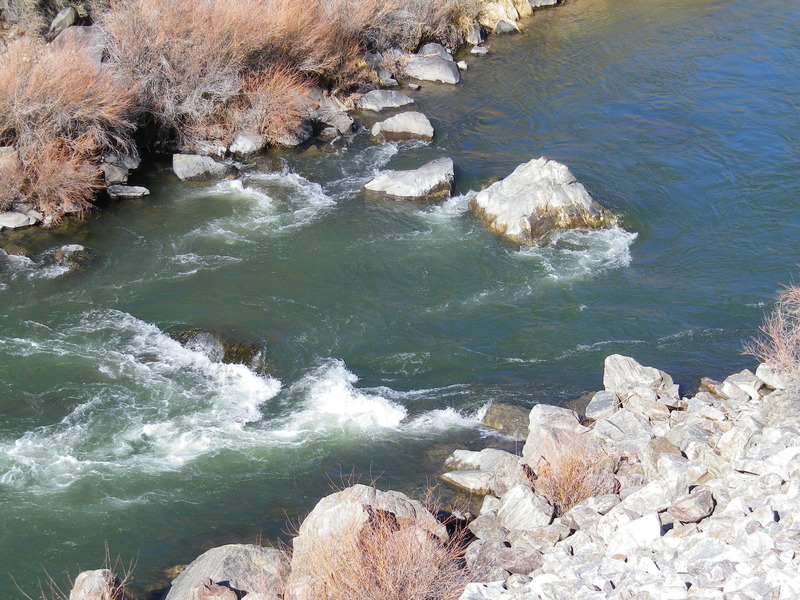
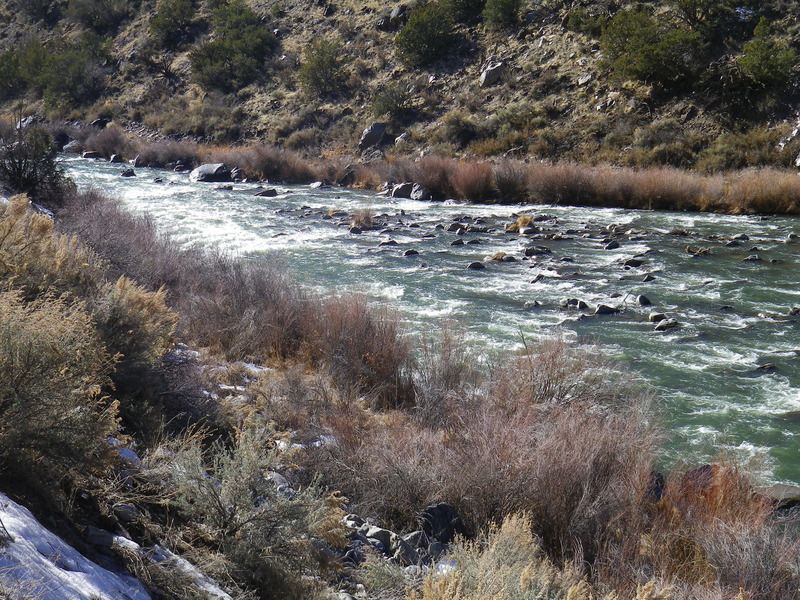
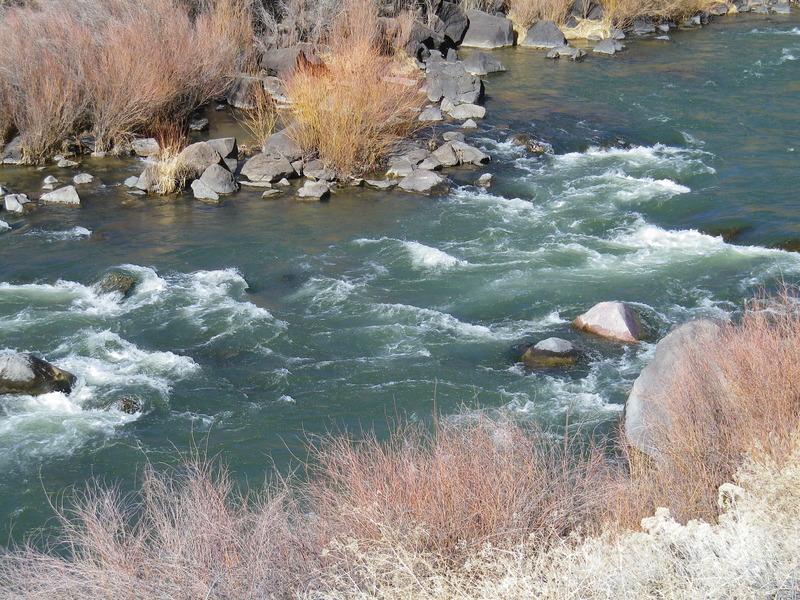
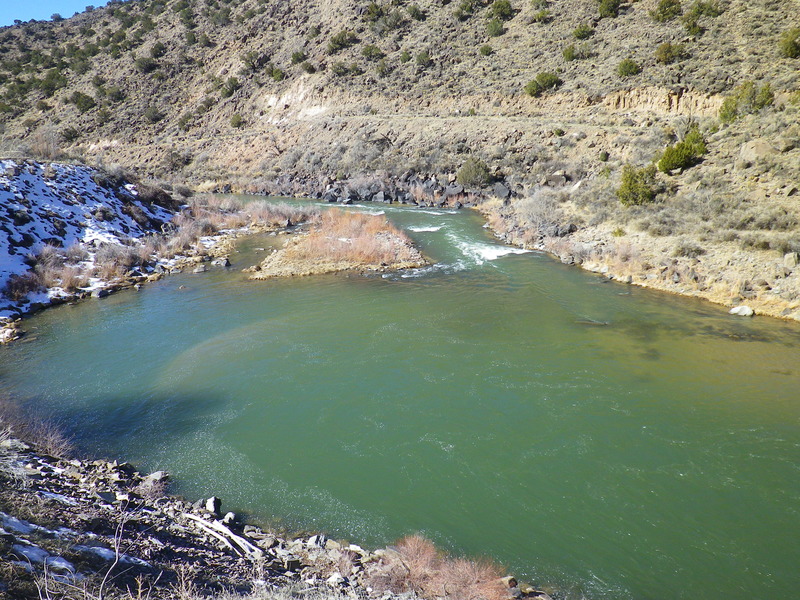
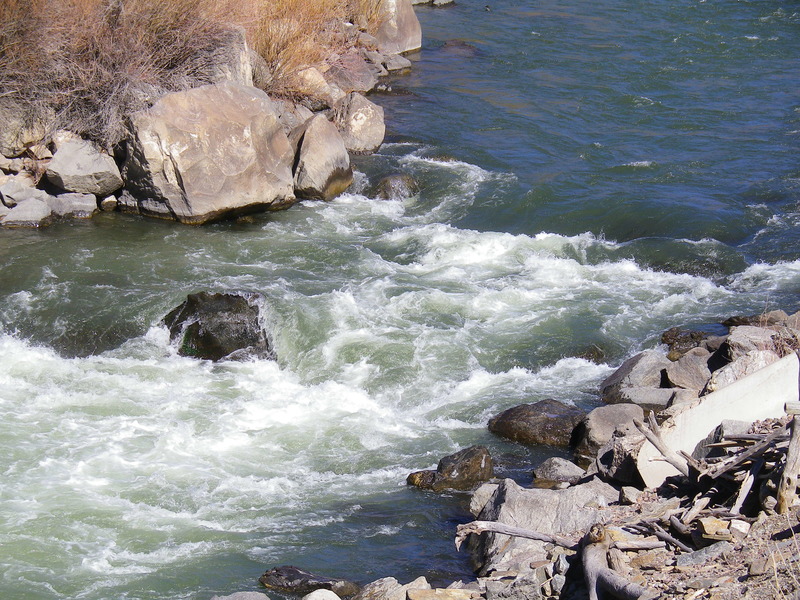
The rapids boaters encounter can appear to change dramatically as the boating season runs from spring to fall. Moderate flows (1000 – 1500 cfs) present a class III/III+ intermediate to advanced whitewater run with wide channels, few keeper holes, and some great standing waves and drops. High water begins at 3000 cfs, and the Racecourse is considered to be a class IV run. The high water Racecourse is pretty continuous with big random holes and waves. At these water levels the rapids of Saddle Rock through Final Drop tend to form a continuous stretch of whitewater called Mile Long Rapid, rated class IV; at high water Albert Falls is a mandatory scout due to a large river-wide hole. Souse Hole also becomes class IV as it forms a massive hydraulic that's legendary among local boaters. In years past crowds gathered along the roadside at Souse to watch the behemoth high water hydraulic devour rafts and spit-out flipped boats and swimming paddlers. At high flows stay left at Glen Woody bridge; as the river level rises passage under Glen Woody Bridge becomes more difficult and eventually impossible forcing boaters to portage around the bridge on the left bank. Low water is often first encountered in late July when the river can drop below 250 cfs, and sometimes just under 150 cfs. At these levels the river channelizes and relatively narrow-bodied rafts can still get down river (though a boater may have to jump out of their boat and give it some good tugs in the Slot at Big Rocks). Zigzagging channels and last-second pivots around rocks make for an entertaining and challenging technical run. Commercial river rafting companies say they have yet to find a water level that's too low to run their rafts on the Racecourse. For rafts surfing opportunities can be found at these low levels, particularly at Sleeping Beauty and Souse Hole.
Every Mother's Day weekend the Mother's Day races are held on the Racecourse. Started in the 1950s by kayakers, the Mother's Day Race the second oldest whitewater event in the country. Today kayak, SUP, and raft races are held over Mother's Day weekend along with other events, including a dutch oven cook off.
Wildlife is still abundant on the Racecourse and recent sightings include big horn sheep (just above Big Rocks Rapid), coyote, blue heron, black-crested night heron, bullfrogs, and an occasional garter snake swimming across the river. Beavers can be seen in the early evenings in the pools throughout the run, and muskrat have been seen in the last mile of quiet water. River otters live along the banks of the river and a keen eye might catch them playing along the banks; an otter has been seen swimming upstream through Albert Falls. Being the southwest, always keep an eye-out for rattle snakes! In winter and early spring bald eagles have been spotted just downstream from Quartzite River Access. Western Tanagers (small, brightly colored migratory birds) often visit the river in late spring and early summer.
Apache plume grows along the banks as well as Russian olive, both blooming in late spring. That same time of year is when the bright yellow flowers of prickly pear cactus and the fluorescent pink cholla flowers send out their colors in surprising contrast to the basalt boulders and desert soils. Wild grape becomes more common along the Racecourse below Cheese Grater and ripe fruit can be found here usually in late summer or early fall (purportedly these grape vines are descendants from grape seeds dropped by Spanish missionaries traveling through the canyon).
Fishing is popular along the river, particularly in the evenings after work hours. During the fall the river water becomes less silt-laden and more transparent, inviting fly fishermen to the river's banks and into it's channels. Over the years a number of sporting fish have been introduced to the river, including rainbow trout, small mouth bass, German brown trout, and pike. Be respectful when you encounter fishermen along or in the river – fishermen and boaters are often allies in protecting the free flow of rivers and river access.
Excellent description of Orilla Verde and Pilar sections representing the two segments of this reach at SouthwestPaddler.com.
Logistics: The standard take-out is at County Line River Access (the Taos County and Rio Arriba County border) at Hwy 68 mile 24.0. An intermediate access, that divides the Orilla Verde and Racecourse segments, is available at Quartzite at NM 68 mile 28.2 for a short run. For the full run, continue upstream to Pilar and at NM 68 mile 28.8 turn on to NM 570 that continues up river left. You will enter the Rio Grande del Norte National Monument and find several BLM Campgrounds that include Rio Bravo, Arroyo Hondo, Lone Juniper, and Petaca. At mile 6.0 on NM 570 you will reach the Taos Junction Bridge. River access on the downstream river left side of the bridge and camping on river right. Using TJB (or Lone Juniper's boat ramp at lower flows) allows for a scenic float with 1 or 2 class II's (depending on where you put in). The description featured here does not include these rapids and only lists from Quartzite down, which is by FAR the more popular run. TJB is also the takeout for the Lower Taos Box.
Other runs in the area:
Ute Mountain (Class II),
Razors (Class III/IV),
Upper Box (Class V/V+),
Lower Box (Class III/IV),
Pilar (Class III/IV),
Otowi Bridge (Class III),
Red River (Class IV),
Rio Pueblo (Class V+), and
Rio Embudo (Class V+).
Rapids in this Run (14)
 Rapid
II
Rapid
II
Surf or Die
 Rapid
III
Rapid
III
Saddle Rock
 Rapid
III
Rapid
III
Albert Falls
 Rapid
III
Rapid
III
Herringbone
 Rapid
II+
Rapid
II+
Eye of the Needle
 Rapid
III
Rapid
III
Narrows
 Rapid
III
Rapid
III
Boulder Field
 Rapid
III
Rapid
III
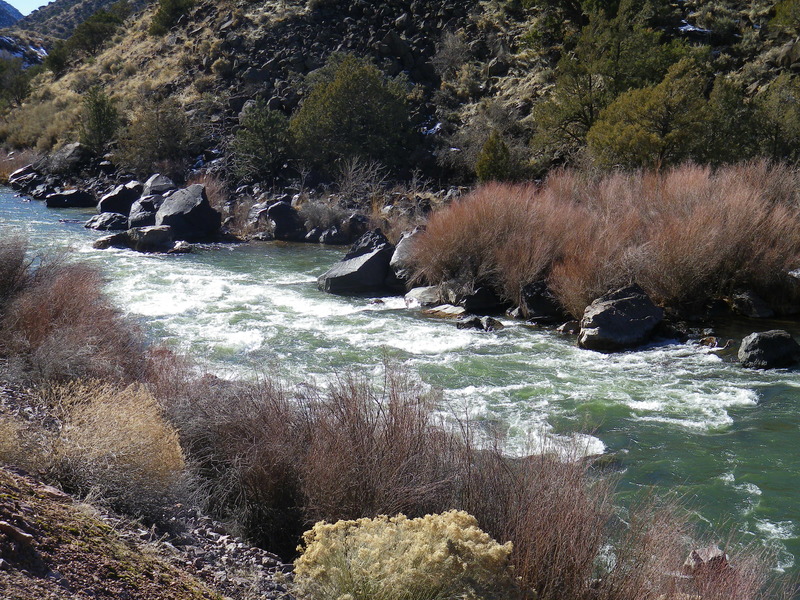
Dead Foot Falls
 Rapid
III
Rapid
III
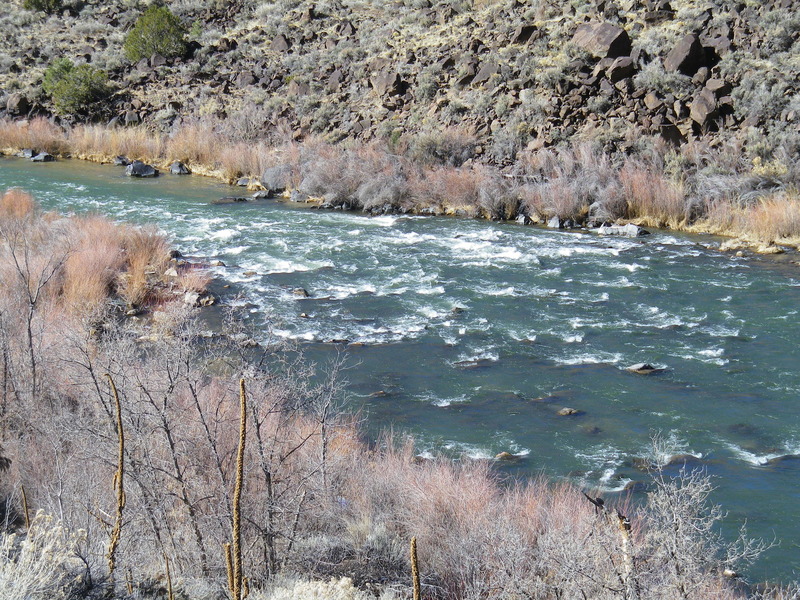
Final Drop
 Rapid
II+
Rapid
II+
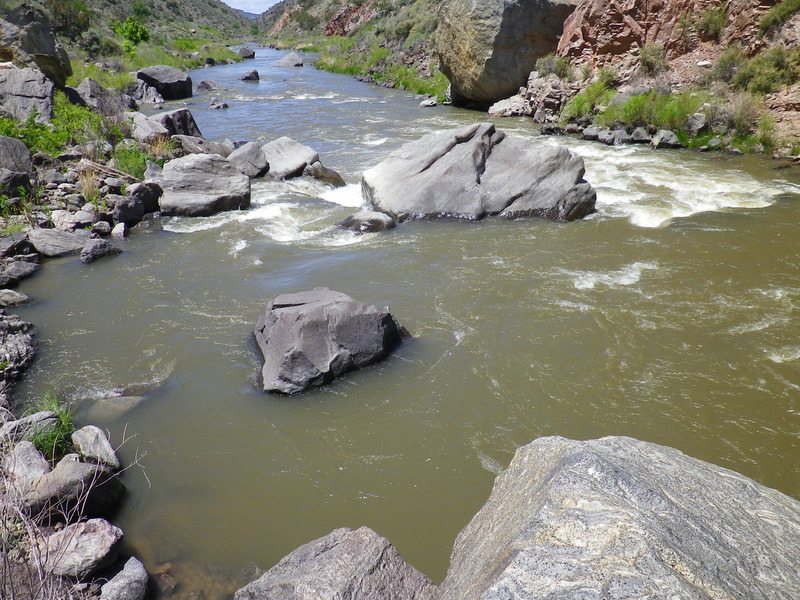
Cheese Grater
 Rapid
III
Rapid
III
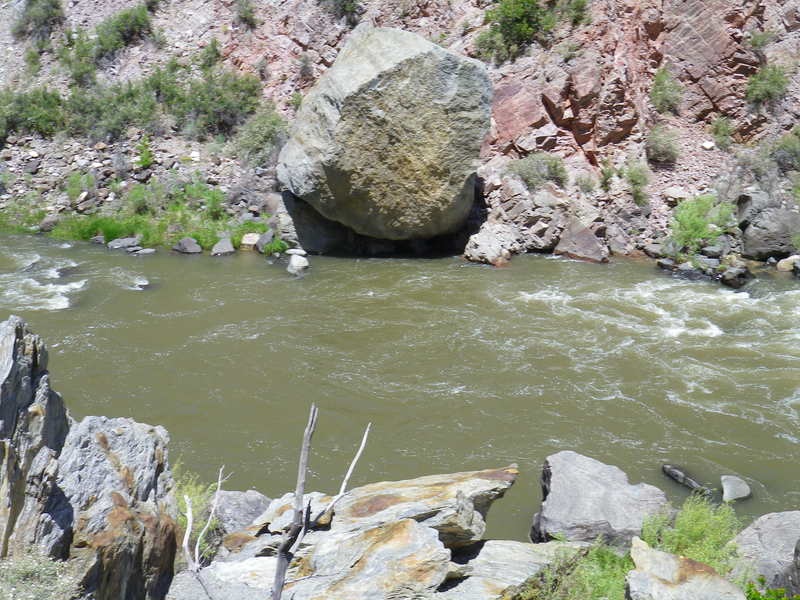
Big Rocks
 Rapid
Rapid
Baby Huey
 Rapid
II
Rapid
II
After Five
 Rapid
II+
Rapid
II+
Last Chance
Playspots (2)
Hazards & Portages (1)
Caution: The following locations may require scouting or portaging. Always check current conditions.
Difficulty
Class III
Length
4.4 mi
Gradient
12 ft/mi
Rapids
14
1 Hazard
Access Points
Difficulty Classes
I Easy
II Novice
III Intermediate
IV Advanced
V Expert/Extreme
VI Unrunnable
Current Conditions
5-Day Forecast
Whitewater data from
American Whitewater
American Whitewater